Chicken Licken is one of South Africa’s well-known fast-food brands, recognised for its signature fried chicken, distinctive flavours, and strong presence in the local quick-service restaurant market. For entrepreneurs interested in the food industry, investing in a Chicken Licken franchise may appear to be an attractive opportunity to enter an established business sector. However, prospective franchisees need to understand the financial commitment, operational responsibilities, and requirements involved before making an investment decision.
The Chicken Licken franchise cost in South Africa usually ranges from R4,800,000 to R7,000,000. The final amount can vary depending on the location, restaurant format, property requirements, construction expenses, equipment, and other start-up costs. Understanding these factors can help potential investors determine whether the opportunity aligns with their budget and long-term business goals.
Overview of the Chicken Licken Franchise
Chicken Licken has developed a recognisable identity in South Africa’s competitive fast-food industry. Its menu focuses primarily on fried chicken, burgers, wings, and complementary sides, appealing to customers looking for convenient meals with distinctive flavours. Its established brand recognition can be an advantage for business owners seeking to operate within the quick-service restaurant sector.
Running a franchise under a recognised brand may offer benefits such as established operating procedures, product consistency, and a familiar customer proposition. Nevertheless, prospective investors should remember that brand recognition does not guarantee profitability. The success of an individual restaurant depends on factors such as location, customer demand, management quality, operating costs, and compliance with the franchisor’s standards.
Chicken Licken Franchise Cost in South Africa
The estimated investment for a Chicken Licken franchise usually ranges from R4,800,000 to R7,000,000. This figure should be treated as a general planning estimate rather than an officially confirmed quotation from Chicken Licken. Investors should contact the company directly to establish whether franchise opportunities are available and to obtain the latest investment requirements.
The total cost may include several major expenses. Property acquisition or leasing, building alterations, kitchen installations, refrigeration systems, food preparation equipment, furniture, signage, and point-of-sale technology can contribute substantially to the initial investment. Additional costs may arise from staff recruitment, training, opening stock, professional services, licences, insurance, and working capital.
The amount required can differ considerably between sites. A restaurant in a high-traffic shopping centre or a prominent urban location may involve higher rental and fit-out costs than a property in a smaller commercial area. The specific restaurant design and condition of the premises can also affect the final budget.
Factors That Influence the Initial Investment
Location is one of the most important considerations when planning a Chicken Licken restaurant. A site with strong visibility, convenient access, and a suitable customer base may provide better sales potential, although it can also involve higher property costs. Investors should evaluate local competition, nearby businesses, population density, and customer purchasing habits before selecting a location.
The condition of the property is another significant factor. A site requiring extensive construction, ventilation improvements, electrical work, plumbing, or kitchen installation may increase the initial expenditure. Investors should obtain detailed contractor quotations and account for possible cost overruns before committing to a lease or purchase.
Working capital also deserves careful attention. A restaurant needs sufficient funds to cover wages, rent, utilities, stock replenishment, maintenance, and other operating expenses while sales develop. Spending the entire budget on opening the business without maintaining an adequate financial reserve can create unnecessary pressure during the first months of operation.
Ongoing Costs and Business Responsibilities
Opening a restaurant is only the beginning of the financial commitment. Franchise operators must manage everyday expenses, including food supplies, employee salaries, electricity, water, cleaning, repairs, insurance, and occupancy costs. Depending on the franchise agreement, additional payments such as royalties, marketing contributions, or other brand-related charges may also apply.
Successful management requires close attention to food quality, customer service, hygiene, inventory control, and staff performance. Food costs and waste should be monitored regularly, while employees need appropriate training to maintain consistent service standards. Investors should prepare a realistic cash-flow forecast that considers both expected revenue and the costs associated with running the restaurant.
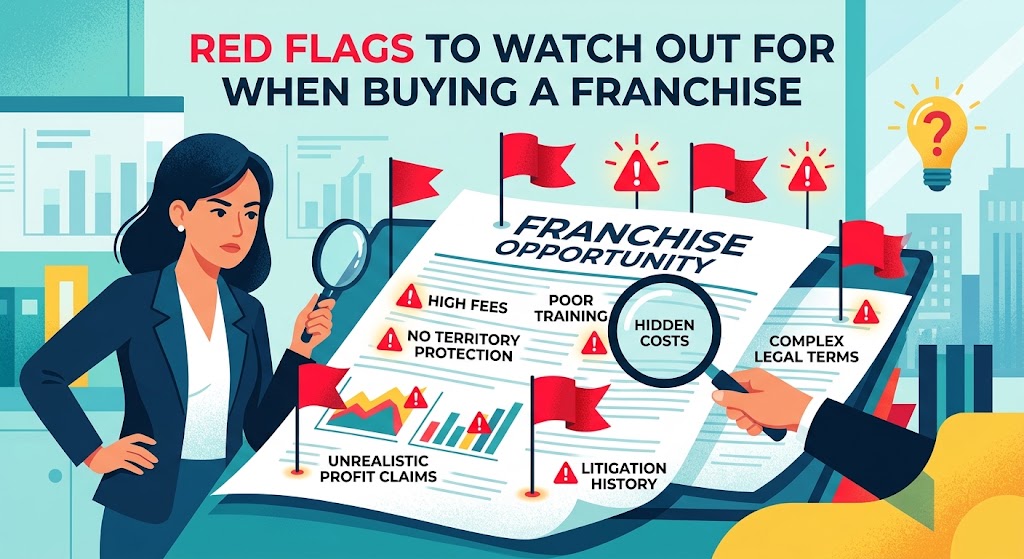
Before investing, prospective franchisees should review the franchise agreement carefully and seek independent legal and financial advice. They should also confirm the franchisor’s selection criteria, training arrangements, site approval process, funding requirements, and any restrictions on ownership or operations.
Conclusion
The Chicken Licken franchise cost in South Africa usually ranges from R4,800,000 to R7,000,000, making it a substantial investment for entrepreneurs seeking to enter the fast-food industry. The final amount will depend on the proposed site, construction and equipment requirements, working capital, and other business expenses.
Although an established brand can offer valuable market recognition, profitability is never guaranteed. Prospective investors should verify the current franchise availability and official financial requirements directly with Chicken Licken, prepare a comprehensive business plan, and assess their ability to fund both the initial setup and ongoing operations. Careful research and realistic financial planning are essential steps towards making an informed investment decision.